


As the weather warms up here in Tucson, it’s time to get our sprinkler systems ready. Spring irrigation startup is a good chance to check for problems before they get worse. We’ve put together some tips to help us find leaks early. Doing some spring irrigation leak detection in Tucson now can save water and money later.
Key Takeaways
- Before turning on the water, we should look over all parts of our irrigation setup. This means checking pipes, sprinklers, and valves for any visible damage or wear.
- We need to know where leaks often happen. Common spots include connections, valve boxes, and areas where pipes might have been disturbed.
- We can use our eyes and ears to find leaks. Walking the yard and listening for running water or looking for wet spots is a good start. Checking the water pressure can also point to problems.
Prepare For Spring Irrigation Leak Detection In Tucson
As the weather warms up here in Tucson, it’s time to get our irrigation systems ready for the growing season. Before we turn everything on full blast, we really should take a moment to check for any leaks that might have sprung up over the cooler months. It’s not just about saving water, though that’s a big deal in our desert climate; it’s also about making sure our plants get the water they need, right where they need it. A hidden leak can waste a surprising amount of water and can even cause damage to our landscaping or foundations if left unchecked for too long.
Inspect Your Irrigation System Components
We need to look at all the parts of our irrigation setup. This means checking the main water supply valve to make sure it’s not dripping. Then, we move on to the backflow preventer, which is important for keeping our drinking water safe. Don’t forget the filters; clogged filters can cause pressure issues and lead to other problems down the line. We should also examine the pipes themselves, especially any exposed sections, for cracks or signs of wear. Even the sprinkler heads and drip emitters need a good once-over. Are they clogged, broken, or spraying in the wrong direction? Taking the time to do this now can save us a lot of headaches later.
Understand Common Leak Points
There are a few places where leaks tend to show up most often. The connections between pipes and fittings are prime suspects. Over time, these can loosen or corrode. Valve boxes are another common spot; the valves themselves can fail, or the seals around them can degrade. We also need to pay attention to areas where pipes enter or exit the ground, as shifting soil can put stress on them. And of course, any place where a pipe has been repaired or altered in the past is worth a closer look. Identifying these common leak points beforehand helps us focus our inspection efforts.
It’s easy to just flip the switch and assume everything is fine, but a little proactive checking goes a long way. Think of it like a quick check-up before a long road trip – you wouldn’t want to break down in the middle of nowhere, right? Our irrigation systems are no different.
Effective Spring Irrigation Leak Detection Strategies For Tucson
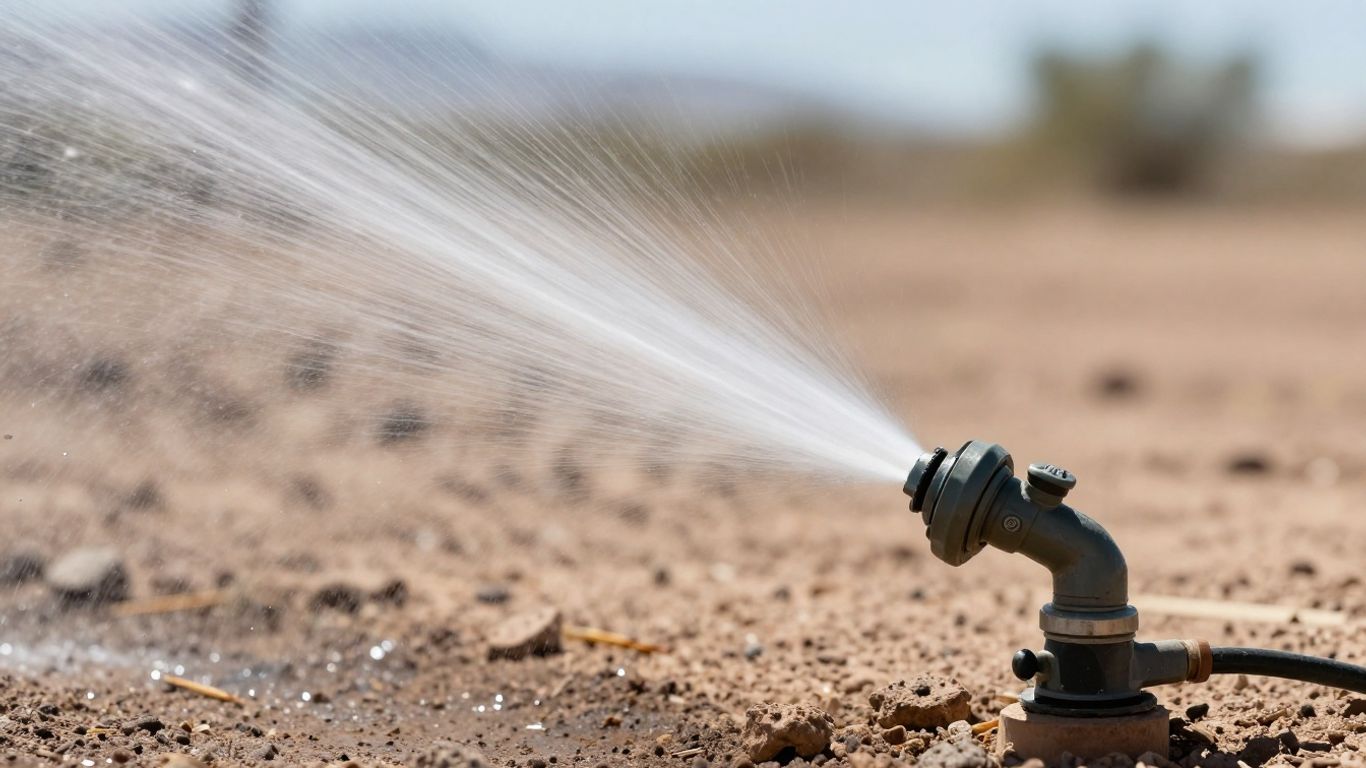
As the Tucson sun starts to warm things up, it’s time to get our irrigation systems ready. We’ve already looked at what to check and where leaks often hide, so now let’s talk about how we actually find them. Finding leaks early saves water and money, which is a big deal here in the desert. We’ll go through some practical ways to do just that.
Visual Inspection Techniques
This is the most straightforward part. We’ll walk the entire system, looking for anything out of the ordinary. Keep an eye out for:
- Damp Spots: Areas in your yard that stay wet long after watering or rain, especially where there shouldn’t be any standing water.
- Erosion or Mud: Look for soil washing away near pipes or sprinkler heads. This often points to a steady drip or spray.
- Unusual Plant Growth: Patches of grass or plants that are greener and grow faster than the surrounding areas can indicate a constant water source from a leak.
- Water Pooling: Check around the base of your house, along pathways, or in low-lying areas where water might collect.
Auditory and Pressure Testing
Sometimes, leaks aren’t obvious to the eye. That’s where listening and checking pressure come in.
- Listen for Running Water: When the system is off, walk around and listen carefully. You might hear a hissing or spraying sound, especially near underground pipes or valves.
- Check Your Water Meter: Before you start your system, note your water meter reading. Run your irrigation for a short period, then check the meter again. If the reading has changed and no water was intentionally used, you likely have a leak. This is a very reliable way to confirm a leak exists.
- Pressure Gauge: If you have an irrigation pressure gauge, attach it to an outdoor spigot or a test port. Turn on the water. A sudden or consistent drop in pressure when no zones are active can signal a leak somewhere in the main lines.
We’ve found that combining these methods gives us the best chance of catching problems. A quick visual sweep followed by a meter check can often pinpoint issues before they become major water wasters. Don’t forget to check the valves too; they’re common culprits.
Here’s a quick look at what to expect:
| Symptom | Possible Cause |
|---|---|
| Unexplained wet spots | Broken pipe, bad seal |
| Water meter running | Leak in the system |
| Low water pressure | Major leak or blockage |
| Greener grass patches | Slow underground leak |
Wrapping Up Our Spring Check
So, we’ve gone through the basics of getting our Tucson irrigation systems ready for the warmer months. Taking a little time now to look for leaks can save us a lot of water and money down the line. It’s not the most exciting task, we know, but seeing those water bills shrink and knowing we’re not wasting precious desert resources feels pretty good. If you’re unsure about anything, don’t hesitate to call in a pro. Happy watering!
Frequently Asked Questions
When is the best time to check for leaks in our sprinklers after winter?
We should start looking for leaks right before we turn our irrigation systems back on for the spring. It’s wise to do this check when the weather is still a bit cool but before the hot Tucson sun really sets in and demands a lot of watering. Doing this early helps us catch problems before they waste a lot of water and money.
What are the most common places where leaks happen in our sprinkler systems?
We often find leaks where pipes connect, like at the joints and fittings. Also, the sprinkler heads themselves can get damaged or clogged, causing water to spray out unevenly or not at all. The main water line coming into the system is another spot to watch closely, as is the valve box where the water flow is controlled. Even small cracks in the pipes can lead to big water loss over time.
How can we tell if our sprinklers are leaking without special tools?
We can start by simply walking around and looking for wet spots in the yard that shouldn’t be there, especially when the sprinklers aren’t running. Listening carefully is also helpful; sometimes, we can hear a hissing sound that signals escaping water. If we have a water meter, we can check it before and after running the system to see if the reading changes when no water should be used. This can point to a hidden leak.